

This thought came to me suddenly this morning while I was running at the gym. I hadn’t gone to the gym for a while, and the energy of moving from rest back into action actually feels a lot like meditation.
When you meditate, your mind wanders, and then you gently bring your wandering self back to the present. If it wanders again, you guide yourself back again. This act of “bringing yourself back” is done without judgment.
For me, sometimes the reason it is difficult to start exercising again after a break is that I harshly criticize myself for not exercising during the previous period. To avoid that criticism, I begin to seriously avoid the gym.
What’s interesting is that I tend to believe criticism itself is constructive. The logic in my mind goes like this: if I criticize myself, then I will do better. Some level of criticism is fine, but heavier criticism can actually prevent us from moving forward.
Recently I started building my English blog. This is something I have wanted to do for a long time but hadn’t started. Using my fitness routine and my English blog as examples, I want to break down how we can begin when we encounter internal resistance.
1. Make a Plan First
I once heard a friend tell me that she doesn’t like making plans, because plans often can’t be completed. Eventually she became so frustrated with plans that she stopped making them altogether.
But if a plan cannot be completed, it may simply be a problem with the plan itself.
For exercise, my old plan was to run four hours every week. Broken down, that meant running one hour per day, four days a week. When I had a full-time job, sometimes it was difficult to find a full hour in the morning to run. Sometimes I actually had thirty minutes available, but I would still refuse to go out, because I felt I couldn’t meet the one-hour goal for the day. Over time I became angry at my own plan and found it harder and harder to go running.
This year my new goal is to exercise three or four times a week (alternating between odd and even weeks). Exercise can include, but is not limited to: yoga, outdoor running, home strength training, Ring Fit on the Switch, or going to the gym. I no longer set strict time goals for myself.
Looking at my data and my physical experience from January and February this year, both the frequency and duration of my exercise have increased.
Making a plan that is actually achievable is an important first step.
2. Imagine That You’ve Already Started
This is a kind of “mental victory method” that I really like.
What will it feel like when you achieve this goal? Where will you be? What will you talk about with others? How will you explain your results to the outside world?
For me, this year I have been completely absorbed in playing Zelda. Playing games can be hard on the neck and back. Sometimes I want to keep playing, but my neck hurts too much. Before exercising, I imagine myself playing games comfortably without pain. That image gives me a lot of motivation.
Using the English blog as an example: last Saturday I told a friend that I was going to seriously pursue writing in English and start a blog. She was very happy and said I must show it to her once it’s ready.
In my mind I imagine introducing my blog to my friends, sharing it on social media, and sending it to editors when I pitch articles. I begin to feel as if I already live in that reality. Starting the blog then becomes much easier.

3. Start with the Smallest and Simplest Part
Writing a book, getting a new job, starting a food company—these are all big projects.
Within those projects, what is the smallest and simplest part? That’s where we can begin.
Before writing a book we need an outline. Before getting a new job we need to revise our resume. Before starting a food company we can conduct small market research among friends.
Although this step is small, it sends a signal to your brain: we have started. We are already moving toward completing this goal. Not “about to start,” not “soon,” but already in motion.
For exercise, this might mean simply buying a gym membership. Yes—start with that simplest step!
For building an English blog, it might mean researching the most suitable blogging platform with the help of AI. After that, I approached choosing a blog template the same way I would shop for a new dress, a new computer, a new gaming controller, or a new bag. Once I saw the template, I could better imagine what the finished blog would look like, which encouraged me to keep moving forward.
AI helped me generated this picture for my blog based my description. I did not used it in my homepage. But I really liked it! Seeing it movtivates me to work on my blog:
4. Celebrate Every Step
At some point each day, take a little time to praise yourself for what you accomplished.
If you have a partner, friends, or even a cat or dog, you can happily share your progress with them. If you don’t have someone nearby to share with, you can simply write it down.
Celebrations can be big or small.
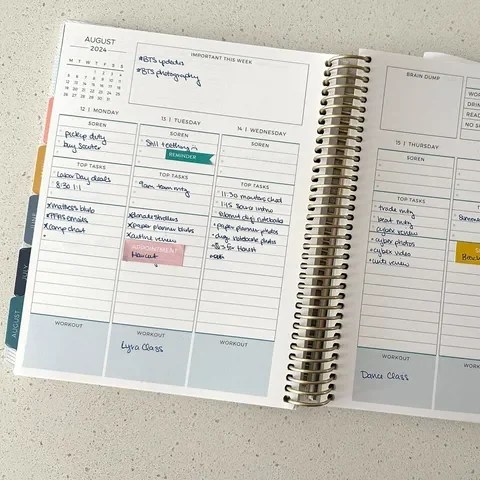
For exercise, I simply put a checkmark in my weekly planner. I associate that action with praising myself.
For the blog, I felt very satisfied with some of the photos in the first version I built yesterday, so I shared them with my friends.
5. Unpack Your “Embarrassment”
Sometimes the real reason we can’t begin is embarrassment—specifically, the fear of failing in front of others.
For my English blog, this means that my English-speaking friends will see that I love writing. If I dig a little deeper, the fear unfolds like this:
They’ll see that I love writing.
They’ll read my work.
They’ll notice grammatical mistakes.
They’ll think less of me.
They’ll stop being my friends.
But when I follow this chain of thought all the way down, I realize my embarrassment really comes from two fears:
- Making grammatical mistakes
- Losing friends
The first is simply a skill that improves with time and practice. The second, when examined more closely, doesn’t really hold up. My friends love me.
This kind of reflection can come from free writing, or from working with supportive tools like life coaching, which help us move more courageously toward our goals.
And by the way—something I haven’t shared with my readers here yet:
I’ve started working as a life coach.
Life coaching is about companionship and guidance. It helps people move toward their goals more clearly, and sometimes simply helps them live more comfortably with themselves.
You can book book exploratary session today with me in here [Insert Link]
 Ingrid ZH | Fangruo’s Cereal — Writing, Food, Travel & Coaching
Leave a comment